
Quick answer: Do demanding yard work early, divide the job into short rounds, drink regularly, and take breaks in shade or air conditioning before you feel overheated. Stop immediately if you become dizzy, nauseated, unusually weak, confused, or unsteady. Confusion, collapse, or a seizure can signal heat stroke and requires emergency help.
Start by deciding whether today is a yard-work day
A hot afternoon can turn an ordinary mowing or digging job into a health problem faster than many homeowners expect. Temperature matters, but it is not the only factor. Humidity slows the evaporation of sweat, direct sun adds radiant heat, and still air makes it harder for your body to cool itself. Heavy clothing, strenuous work, certain medications, and a lack of recent heat exposure can raise the risk further.

Check the hourly forecast rather than looking only at the daily high. Pay attention to heat advisories and the heat index, then consider the conditions in your actual yard. A sunny enclosed patio, a windless side yard, or a dark roof-adjacent planting bed may feel substantially hotter than a shaded weather station reading suggests.
Postpone the job when an advisory recommends limiting outdoor activity, when the work cannot be broken into safe intervals, or when you already feel ill or dehydrated. Moving a nonessential project is not giving up. It is often the fastest way to finish it without losing the next day to exhaustion.
- Move mowing, pruning, hauling, and digging to the coolest available hours.
- Save light tasks such as hand-watering or tidying a shaded bench for warmer periods.
- Choose one priority instead of trying to complete the entire yard.
- Skip strenuous work if you are feverish, vomiting, hungover, or recovering from illness.
- Ask a clinician about heat precautions if a medical condition or medication affects hydration, sweating, circulation, or temperature control.
Schedule the work around heat, not the clock
Professional-looking efficiency in hot weather comes from timing and pacing, not from pushing continuously. Begin as early as local noise rules and neighborly courtesy allow. Evening can also work, although retained heat and humidity sometimes make it less comfortable than morning. Use the hourly forecast to find the better window.
Break one large job into clear stopping points. Mow the front lawn, cool down, and decide later whether the back can wait. Move one load of mulch at a time rather than filling every wheelbarrow to the rim. Prune one shrub group instead of carrying a ladder from corner to corner without a break.
Set a timer if you tend to become absorbed in a project. Your break should happen while you still feel capable, not only after you develop a headache or shaky legs. Rest in deep shade, near a fan, or indoors. A thin patch of tree shade helps, but an air-conditioned room provides a more effective reset when the heat is severe.
Field note: Make the first work round intentionally easy. If it already feels draining, shorten the day instead of assuming you will settle into the heat.
- Write down the two or three parts that truly need to happen today.
- Put the heaviest task in the coolest time slot.
- Alternate demanding work with lighter, shaded work.
- Use timed breaks rather than relying on willpower or thirst.
- Leave cleanup time so you are not rushing at the hottest point of the session.
Give your body time to adjust
The first hot yard day of the season deserves extra caution. Your body becomes better at handling heat after repeated, gradual exposure, but that adjustment is not immediate or permanent. A long stretch in air conditioning, a vacation in a cooler place, illness, or several weeks away from outdoor work can reduce your tolerance.
Start with a shorter and lighter session than you think you can handle. Increase the workload gradually across several hot days only if you are recovering normally. Normal recovery means you cool down promptly, can drink and eat comfortably, and do not remain unusually tired, headachy, or nauseated afterward.
Fitness does not make anyone immune to heat illness. A strong person may create more body heat by working harder or may ignore early symptoms because the task still feels physically possible. Older adults, children, pregnant people, and people with heart, kidney, circulation, or sweating-related conditions may need more conservative limits. Anyone taking prescription or over-the-counter medicine should avoid changing it on their own; a pharmacist or clinician can explain whether it affects heat tolerance.
- Keep the first hot-weather session short and moderate.
- Add workload in small steps rather than doubling it the next day.
- Reduce the load again after illness or time away from hot conditions.
- Do not use another person’s pace as your safety target.
- Plan closer supervision for anyone who may not recognize or communicate symptoms promptly.
Set up water, shade, and simple cooling before you begin
Put drinking water where you will actually reach it. A container left inside the house or at the far end of the property is easy to ignore once the mower is running. Keep it in shade, and drink small amounts regularly rather than waiting until you are intensely thirsty and then gulping a large volume.
Plain water is usually a sensible choice for ordinary, shorter yard sessions. Longer periods of heavy sweating may also require food and electrolytes, but more is not automatically better. Avoid salt tablets unless a qualified medical professional has specifically directed their use. People who have been told to limit fluids, sodium, or certain electrolytes should follow their clinician’s instructions instead of generic hydration advice.
Create a cooling station before the work starts. It can be as simple as a chair in deep shade, water, a damp cloth, and access to the house. A fan helps most when sweat can evaporate; during extreme heat, particularly for vulnerable people, it should not replace access to a genuinely cooler space.
- Place drinking water within easy reach.
- Prepare a shaded or air-conditioned break location.
- Keep a phone nearby in case someone needs help.
- Set out a damp cooling cloth or clean towel.
- Tell another person where you are working if the yard is isolated.
Reusable hydration gear can make this setup easier, but any clean, practical container is enough if it keeps safe drinking water close at hand. There is no need to buy special equipment just to begin using better break and hydration habits.
Listed product details
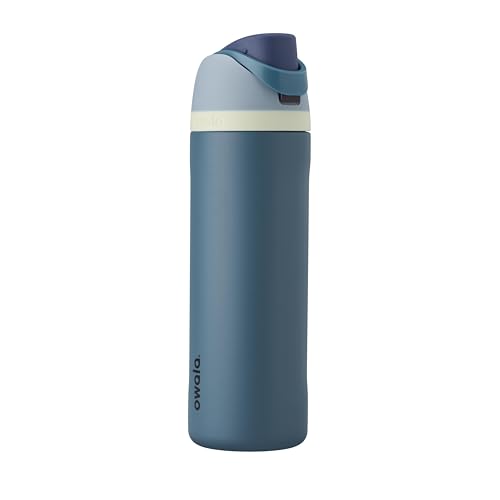
Owala FreeSip Stainless Steel Water Bottle 24 oz Denim
- 24-ounce insulated stainless-steel water bottle with a FreeSip spout and push-button lid with lock
- Protective push-to-open lid keeps spout clean; convenient carry loop doubles as a lock
- Double-wall insulation keeps drinks cold for up to 24 hours; wide opening for cleaning and adding ice; cup holder-friendly base
- This bottle is wider than standard cupholders and may only fit in oversized or specialty cupholders designed for larger containers
Compare these listed details with the reader’s task. Verify size, capacity, storage, and handling needs before purchase. The guide’s manual method remains an option.
View on AmazonWear clothing that releases heat and protects your skin
Choose lightweight, loose-fitting clothes that allow sweat to evaporate. Light colors generally absorb less solar heat than dark colors. A breathable long-sleeve shirt may feel counterintuitive, but it can provide sun protection without the repeated stopping and reapplication required on covered skin. The fabric still needs to be appropriate for heat and the task.

A brimmed hat shades more of the face, ears, and neck than a cap. Eye protection and sturdy footwear remain important even when it is hot. Do not trade away basic mower, trimmer, chemical, or impact protection for comfort. Instead, shorten the work period when required protective equipment traps heat.
Apply broad-spectrum sunscreen to exposed skin according to its label, including directions for reapplication. Sweat and wiping can remove it. Sunscreen helps protect skin, but it does not prevent your core temperature from rising and should never be treated as permission to stay out longer.
- Favor loose, breathable layers over heavy cotton garments that stay soaked.
- Use a brimmed hat that does not interfere with hearing or eye protection.
- Keep gloves appropriate to the tool and change them if they become dangerously slippery.
- Wear closed, stable footwear for mowing, digging, and hauling.
- Take more frequent breaks when respirators, protective coveralls, chaps, or other required gear retain heat.
Make each task physically easier
Heat safety improves when you reduce the amount of effort each movement requires. Raise the mower deck only within the recommendations for your grass and mower, keep blades maintained, and avoid forcing equipment through overgrown or wet areas. A struggling machine makes you work harder and can add unnecessary time in the sun.
For soil and mulch, use smaller loads. A half-full wheelbarrow that stays balanced is often faster over the whole job than an overloaded one that must be wrestled across the yard. Place bags or materials near the work area before the hot period begins. Use a cart when it reduces lifting, but do not buy one for a single small job if dividing the load will solve the problem.
Sharp, appropriate hand tools also reduce exertion. A dull pruner encourages repeated squeezing, while the wrong shovel turns every scoop into a struggle. Inspect handles, fasteners, cords, guards, and blades before starting so a preventable equipment problem does not leave you repairing tools in full sun.
Watch out: Never remove guards, defeat safety switches, or use an unstable improvised extension simply to finish faster. Heat and fatigue already reduce judgment and coordination.
- Carry smaller loads and make more trips.
- Work from shade toward sun when the layout allows.
- Use long-handled tools to reduce repeated bending.
- Keep cutting tools maintained and suited to the material.
- Stop powered equipment fully before clearing a clog or making an adjustment.
Use a work-and-recovery rhythm you can maintain
There is no single break schedule that fits every temperature, person, and task. The right rhythm depends on heat, humidity, sunlight, airflow, workload, clothing, health, and how recently you have worked in similar conditions. The practical rule is to make breaks more frequent and work rounds shorter as any of those burdens increase.
During a break, sit or stand somewhere cooler, loosen unnecessary outer layers, drink, and pay attention to how you feel. Your breathing and heart rate should settle, and you should feel progressively cooler. If symptoms are getting worse rather than better, the break is not working; move indoors, stop for the day, and get help as appropriate.
A buddy makes warning signs easier to catch. Check each other’s speech, coordination, mood, and pace instead of asking only, “Are you okay?” A person developing heat illness may insist on continuing or may not recognize that their behavior has changed. If you must work alone, keep a charged phone with you and arrange a check-in for a longer session.
- End each work round before you feel spent.
- Use a cooler location for recovery, not the same sunny work area.
- Confirm that symptoms improve during the break.
- Check a partner for unusual irritability, stumbling, or confused answers.
- Stop the session if safe recovery takes longer with every round.
Recognize heat cramps, heat exhaustion, and heat stroke
Heat illness can progress, and labels are less important than responding to the person in front of you. Painful muscle cramps, heavy sweating, headache, nausea, dizziness, weakness, faintness, and cool or clammy skin can occur with heat exhaustion. Stop work, move to a cooler place, remove unnecessary outer clothing, and cool the person with wet cloths, cool water, and airflow when appropriate.
If the person is fully alert and can swallow normally, small sips of cool water may help. Do not force fluids into anyone who is vomiting repeatedly, becoming confused, very drowsy, having a seizure, or losing consciousness. Seek medical guidance when symptoms are severe, do not improve promptly with cooling and rest, or involve a person with significant health risks.
Heat stroke is an emergency. Warning signs include confusion, slurred speech, collapse, seizure, severe loss of coordination, or unconsciousness. Skin may be hot, and the person may still be sweating. Call emergency services immediately and begin active cooling while help is on the way. Move the person to shade or air conditioning, remove unnecessary outer clothing, and use cool water, wet cloths, fans, or cold packs around the neck, armpits, and groin. Follow the dispatcher’s instructions.
- Stop work at the first concerning symptom.
- Move the person away from sun and hot equipment.
- Call emergency services for confusion, collapse, seizure, or unconsciousness.
- Cool the person immediately while waiting for help.
- Do not give drinks to someone who cannot swallow safely.
| Warning sign | Immediate action | When to get help |
|---|---|---|
| Muscle cramps or unusually heavy sweating | Stop the task, move to a cooler place, rest, and replace fluids as appropriate for you. | Seek medical advice if symptoms persist, worsen, or concern you. |
| Dizziness, nausea, headache, unusual weakness, or poor coordination | Stop work immediately, cool down, and do not resume the yard task that day. | Get medical help if symptoms worsen or do not improve with rest and cooling. |
| Confusion, collapse, seizure, or abnormal behavior | Call emergency services and begin rapid cooling while help is on the way. | Treat this as an emergency. |
Know when tools and chemicals add too much risk
Heat-related fatigue affects grip, balance, reaction time, and decision-making. That matters around mower blades, trimmer line, ladders, chainsaws, power cords, and moving vehicles. If you feel shaky, foggy, impatient, or clumsy, shutting down the tool is part of heat safety. Let the machine stop completely, place it securely, and move to a cooler area.
Ladder jobs deserve an especially conservative approach. Hot roofing, paving, siding, and reflected sunlight can raise the heat load, while sweat can make hands and footwear slippery. Postpone gutter, roofline, tree, and elevated pruning work when the conditions make a steady stance doubtful. Do not work alone at height merely because the task appears brief.
Pesticides, fertilizers, stains, solvents, and fuels add their own exposure requirements. Read the label before choosing clothing or a time of day. Never reduce label-required protective equipment because it feels hot. If the required gear is uncomfortable in current conditions, move the application to a cooler period or hire a qualified professional.
Field note: A ten-minute powered-tool task is not automatically low risk. Setup, fueling, clearing jams, cleanup, and carrying equipment all add heat exposure.
- Stop using tools when coordination or concentration changes.
- Avoid ladders when sweat, glare, or fatigue affects footing.
- Follow every chemical label requirement, including protective equipment.
- Refuel cooled equipment away from ignition sources.
- Hire help when the safe clothing, access, or workload exceeds what you can manage in the weather.
Protect children, pets, and other people in the yard
Children should not be treated as smaller adult workers. They heat up differently, may become distracted, and may not recognize early symptoms. Give them brief, age-appropriate tasks in mild conditions with direct supervision, frequent breaks, and easy access to water. On very hot days, move the activity indoors rather than trying to turn strenuous yard work into a lesson in toughness.
Pets also need shade and fresh water, but keeping them beside you is not always safest. Hot paving can burn paws, and a tethered dog may not be able to move out of the sun. Power equipment, flying debris, fertilizers, and pest-control products create additional hazards. Keep pets indoors or in a separate secure, shaded space while machinery or chemicals are in use.
Check on neighbors or family members who may be working alone, especially older adults or anyone with limited mobility. A quick call before and after the job can catch trouble that would otherwise go unnoticed. Never leave a person or animal in a parked vehicle while you complete “one quick task.”
Watch out: Shade moves during the day. Recheck playpens, pet enclosures, work tables, and rest chairs rather than assuming they remain protected.
- Keep children away from operating equipment and chemical application areas.
- Provide pets with a safe location separate from the work zone.
- Test pavement with caution and choose grass or shade when surfaces are hot.
- Reposition shade as the sun moves.
- Arrange check-ins for anyone doing hot-weather work alone.
Finish the day before the heat finishes you
The final stage of a hot-weather job should be a controlled shutdown, not a hurried push. Put tools in a safe condition, move fuel and chemicals to proper storage, and leave nonessential cleanup for a cooler time if necessary. A half-raked pile is inconvenient; continuing while dizzy or confused is dangerous.
Cool down gradually in a comfortable place, replace fluids according to your needs, and eat a normal meal or snack if appropriate. Pay attention to lingering headache, nausea, weakness, unusual fatigue, reduced urination, or symptoms that worsen after you stop. Seek medical advice when symptoms concern you or do not resolve with rest and cooling. Call emergency services for any sign of heat stroke.
Make a short note about what worked. Perhaps the first hour was comfortable but the second was not, or the back bed received more reflected heat than expected. Use that information to set a better start time, smaller workload, or additional help next time.

Bottom line: The safest hot-day yard plan is smaller than your normal plan. Start cool, work in short rounds, keep water and real shade close, and stop at the first warning sign. The grass, mulch, and pruning can wait; heat stroke cannot.
- Shut down safely instead of rushing through the last task.
- Continue cooling and monitoring how you feel after coming indoors.
- Get medical help for persistent or worsening symptoms.
- Record the conditions that made the work harder than expected.
- Reschedule the remaining work for a cooler window or bring in professional help.