
As an Amazon Associate I earn from qualifying purchases.
You do not need a cart full of seasonal pieces to make a backyard feel ready for fall. The strongest displays usually come from editing what you already own, borrowing natural materials from the yard, and concentrating a few elements where people actually see them.
Start with one focal zone
Walk from the driveway or back door toward the yard and notice where your eye naturally pauses. That is the place to decorate first. A single finished scene beside the porch often looks more intentional than a pumpkin on every step, a wreath on every gate, and scattered signs around the patio.
Use the “one tall, one wide, one low” rule. A bucket of branches provides height, a crate or folded textile adds width, and a group of small pumpkins anchors the arrangement. Keep the tallest element clear of door swings, handrails, and the main walking line.

Shop your yard and storage first
Set out what you already have before buying anything: weathered planters, baskets with solid bottoms, galvanized buckets, wood offcuts, clean jars, old outdoor pillows, and neutral blankets. Remove damaged pieces and anything too light to stay put in wind.
Then look outside for safe natural material. Pruned branches, dry seed heads, pinecones, ornamental grass, and fallen leaves can add scale without creating another bin of decor to store. Use only clean, pest-free material, and avoid cutting live plants simply for a temporary display.
- Wash containers and let them dry fully.
- Check reclaimed wood for exposed nails and sharp edges.
- Shake out branches outdoors before bringing them near seating.
- Keep dry material away from grills, fire pits, and open flame.
Seven low-cost fall decorating projects
1. Build a crate-and-pumpkin porch cluster
Turn one wood crate on its side, place a sturdy planter or bucket behind it, and group three pumpkins at the base. The crate creates levels, so a small collection reads as a complete display. Tuck a folded outdoor throw across one corner for softness, but bring it inside during wet weather.
2. Fill a bucket with clipped branches
Choose a heavy container and add a smaller weighted pot inside if needed. Arrange branches in a loose fan rather than a tight bundle. Mix mostly bare stems with a few leafy pieces; too much foliage hides the branch structure and can become top-heavy.
3. Make leaf bundles for a gate or fence
Gather short, clean branch tips and colorful leaves, bind them with jute twine, and attach the bundle with a removable outdoor hook. Keep it compact enough that the gate opens freely. Replace it when the leaves become brittle rather than trying to preserve it all season.
4. Turn a plain planter into a seasonal anchor
Leave a healthy evergreen or ornamental grass in place and add color around the rim with small gourds, pinecones, or clipped stems. Do not bury the plant crown or block drainage. This approach adds fall character without sacrificing a container that is still working.
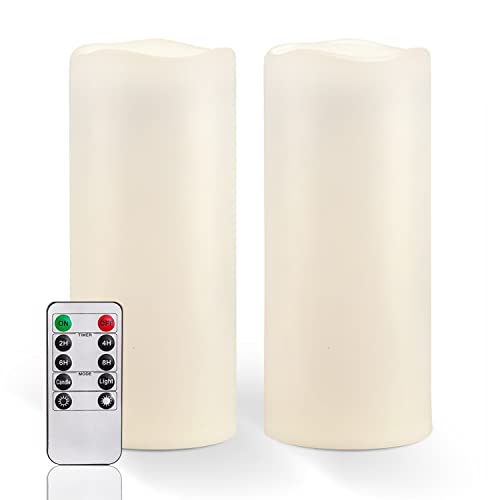
Flameless LED pillars are useful where dry leaves, fabric, children, or pets make an open flame a poor fit. Measure the lantern opening first, use them only as directed for the location, and bring the remote indoors between uses.
View this flameless candle option on Amazon5. Create a five-minute patio centerpiece
Set a shallow tray in the middle of the table, add one small lantern or jar, and ring it with a few gourds and clipped greenery. Keep the finished piece below eye level so people can talk across the table. A tray also lets you move everything at once when you need the surface.
6. Refresh outdoor seating with one washable layer
A rust, olive, tan, or deep red pillow cover can shift the patio toward fall without replacing the furniture. Choose outdoor-rated fabric or use an indoor textile only while the space is occupied, then store it dry. One repeated color is enough; every pillow does not need a seasonal pattern.
7. Frame a path with two matching markers
Place one weighted lantern, planter, or pumpkin grouping at each end of a short path—not along every edge. The pair creates a visual entrance while leaving mowing and foot traffic simple. Keep anything low enough that it cannot hide a step or become a trip point after dark.
How to make inexpensive decor look intentional
Limit the palette to two main colors plus the natural tones already in the yard. Orange and warm white feel classic; olive and burgundy are quieter; tan and copper work well with weathered wood. Repeating one color in two locations connects the porch and patio without matching every object.
Vary the height but repeat the material. For example, use one pumpkin on the porch, one small gourd on the patio tray, and the same leaf color in a gate bundle. Repetition gives the yard rhythm. Quantity mostly gives you more things to put away later.
A simple weekend decorating plan
- Pick the view: Choose the porch, patio table, or garden gate.
- Gather a base: Use one crate, planter, tray, or basket.
- Add free texture: Collect clean branches, seed heads, or leaves.
- Choose three accents: Group pumpkins, a lantern, and one textile or ribbon.
- Edit from ten feet away: Remove the weakest item rather than filling every gap.
- Repeat one detail: Carry one color or material to a second small location.
If you are preparing the whole yard for the season, pair the decorating work with our guides to fall yard cleanup tools, essential fall lawn care, and planting fall bulbs for spring color. For a more permanent design layer, see how to blend garden art into the backyard without making the space feel busy.
Fall decor material comparison
| Material | Best use | Practical limit |
|---|---|---|
| Reclaimed wood crate | Creating height on a covered porch | Check edges; elevate it off wet ground |
| Clipped branches | Adding height and movement | Use a heavy vessel and trim for door clearance |
| Pumpkins and gourds | Low anchors and repeated color | Keep them dry and remove soft fruit promptly |
| Outdoor textile | Softening hard furniture and containers | Store it dry between uses |
| Flameless candle | Adding glow inside a suitable lantern | Confirm dimensions and location guidance |
Frequently asked questions
How can I decorate for fall without using pumpkins?
Use branches, grasses, pinecones, weathered wood, warm-colored textiles, and a lantern. A limited palette and varied heights create the seasonal feel even without orange accents.
How do I keep outdoor fall decor from blowing away?
Put smaller pieces inside a tray or crate, add hidden weight to hollow containers, and use removable outdoor ties where appropriate. Move lightweight pieces inside before strong wind rather than relying on adhesive alone.
When should I put outdoor fall decor out?
Let your local weather and yard lead. Start when evenings cool or foliage begins changing, then add or remove pieces as natural material appears. There is no need to finish the entire display in one day.
What should I do with natural decor afterward?
Compost untreated plant material when it is free of pests and synthetic attachments. Remove twine, wire, candle cups, and painted pieces first. Store durable containers dry so they are ready for another season.