
Gopher repellents can buy you time around a garden bed, but they are rarely a permanent fix by themselves. For vegetables, young trees, and raised beds, the best protection is a physical underground barrier first, then castor-oil repellent as a pressure reducer, with trapping or professional help reserved for active tunnels that keep returning.
The best gopher repellent is usually a barrier-backed plan, not a smell-only product. Use hardware cloth or plant baskets to protect roots first, then use castor-oil repellent as a perimeter pressure reducer. If fresh mounds keep returning inside the protected area, move to tunnel diagnosis, trapping, or professional help instead of buying another gadget.

Favorite pick: 16in x 50ft 19 Gauge Hardware Cloth Mesh Roll
Start here when you are building or rebuilding a raised bed. A physical root-zone barrier solves the problem repellents only try to discourage.
If you are seeing fresh crescent-shaped mounds beside your garden, the frustrating truth is that gophers are not browsing politely from the surface. They are working from underneath, which is why sprays, noise makers, and homemade smell tricks often disappoint. A good plan protects the root zone, interrupts the tunnel route, and avoids turning your entire backyard into a science fair.

What gopher repellents can and cannot do
Repellents work best as a deterrent, not as a hard stop. Most products try to make the soil or tunnel area unpleasant enough that a gopher chooses another route. That can help around a garden perimeter, a new raised bed, or a small area where pressure is light. It is much less reliable when a gopher already has an active tunnel system running through a food source.
Think of repellents this way: they may discourage exploration, but they do not remove a resident gopher, seal a tunnel, or protect roots from below. If you need to save a vegetable bed, young fruit tree, or irrigation line, pair repellent with a barrier or a direct control method.
First, make sure it is actually a gopher problem
Before buying anything, check the damage pattern. Gophers usually leave fan- or crescent-shaped soil mounds with the tunnel plug pushed to one side. Moles make more volcano-like mounds and mostly chase insects, while voles leave surface runways and chew plants at ground level. If the diagnosis is wrong, the fix will be wrong too.
- Gopher clues: fresh crescent mounds, plants wilting from root damage, holes that are often plugged, damage concentrated near beds, lawns, and young trees.
- Mole clues: raised surface ridges, softer volcano mounds, grub-heavy lawns, less direct plant-root chewing.
- Vole clues: shallow surface trails, clipped stems, bark chewing near the base of shrubs or trees.
If you are still unsure, compare the damage with BackyardFocus guides on identifying gopher mounds and telling voles and moles apart. A ten-minute diagnosis saves a lot of wasted repellent.
The best homeowner strategy: barrier first, repellent second
For a garden bed, the most dependable strategy is not to make the whole yard smell bad. It is to make the bed hard to enter from below. Gophers are built for tunneling, so a good barrier has to protect the bottom and the lower sides of the planting area.
Barrier work is boring because it works. If roots matter, protect the root zone first; repellents are support tools, not structural protection.
1. Protect raised beds with hardware cloth
For new raised beds, line the bottom with galvanized hardware cloth before adding soil. Use a small enough opening to block gophers, overlap seams generously, and bring the mesh up the inside walls so a gopher cannot simply push in from the side. Stainless steel is excellent but expensive; galvanized hardware cloth is the practical homeowner choice in most beds.
If you are building or rebuilding beds, this is the moment to do it. Once the bed is full of soil and roots, retrofitting a bottom barrier is a much bigger job. For bed design and soil depth decisions, the BackyardFocus first raised garden bed guide and raised bed depth guide are useful companions.
2. Use baskets for individual plants and young trees
Where you cannot rebuild a whole bed, use gopher baskets around individual plants. They are especially useful for young fruit trees, roses, shrubs, and high-value perennials. The basket should protect the root ball while still allowing roots to expand over time. Avoid wrapping roots so tightly that the plant becomes pot-bound underground.
3. Use repellent as a perimeter treatment, not a magic shield
Castor-oil-based repellents are the most common practical option for homeowners. They are usually applied to soil and watered in so the active material moves into the tunnel zone. They may push gophers away from a treated area, but the effect depends on soil moisture, tunnel activity, rainfall, irrigation, and how much pressure is coming from nearby untreated ground.
Use repellent around the outside of protected beds, along the edge of a vegetable garden, or after repairing an area where you do not want immediate reinvasion. Reapply according to the label, especially after heavy watering or rain. Do not pour random household oils, gasoline, mothballs, bleach, or other harsh materials into tunnels. That is unsafe for soil, pets, and people, and it still may not solve the gopher problem.
Match the purchase to the failure point: hardware cloth blocks bed access, baskets protect individual plants, repellent reduces edge pressure, and traps address confirmed active tunnels.
Gopher-control tools worth comparing after you identify the failure point
Start with physical protection for roots, then add repellent or direct tunnel control only when the mound pattern calls for it.
16in x 50ft 19 Gauge Hardware Cloth Mesh Roll
A physical mesh barrier is the most dependable first buy when you are building or rebuilding a raised bed.

Root Guard Gopher Proof Wire Baskets
Plant baskets make sense when one young tree, shrub, rose, or perennial matters more than treating the whole bed.

Bonide MOLEMAX Mole & Vole Repellent Granules
Castor-oil repellent can reduce pressure around a protected zone, but it should not be the only plan for active tunnels.
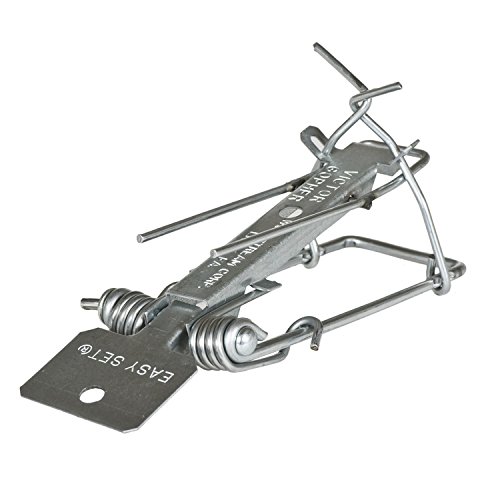
Victor Easy Set Weather-Resistant Outdoor Gopher Trap
A direct tunnel trap is more realistic than another repellent when fresh mounds keep appearing inside the protected area.
Disclosure: BackyardFocus may earn a commission from qualifying purchases. Product images are sourced from Amazon where available. This section avoids prices and changing stock claims.
A simple decision rule for choosing your method
Use this quick filter before spending money:
| Situation | Best first move | What to avoid |
|---|---|---|
| New raised bed or bed rebuild | Install hardware cloth under the bed and up the sides | Relying only on scent repellent under expensive soil |
| One young tree or shrub at risk | Use a gopher basket or root-zone barrier | Planting directly into an active tunnel area unprotected |
| Light activity near a garden edge | Castor-oil perimeter treatment plus mound monitoring | Expecting one application to last all season |
| Fresh mounds returning every few days | Identify active tunnels and consider trapping or professional help | Adding more ultrasonic stakes and hoping pressure disappears |
| Mixed lawn/garden damage | Confirm whether it is gopher, mole, or vole damage | Treating every soil mound the same way |
Castor-oil repellent: how to use it without wasting it
Castor-oil repellents are not complicated, but they are easy to misuse. The goal is to move the treatment into the soil profile where gophers are traveling, not just mist the top of dry dirt.
- Map the active area. Flatten old mounds and check which ones reappear in 24 to 48 hours.
- Start at the protected zone. Treat around the garden bed, tree, or border you want to defend.
- Water it in. Follow the product label so the repellent reaches the upper tunnel zone.
- Work outward. If treating a larger area, move from the area you want protected toward the direction you want gophers to leave. Random spot treatments can simply redirect them inside the same bed.
- Monitor new mounds. If new activity stays inside the protected area, switch to direct control rather than repeatedly applying more product.
For broader organic pest strategy, the BackyardFocus guide to layered pest-proof garden beds pairs well with this approach.
Ultrasonic stakes: useful caveat, not a full plan
Ultrasonic gopher repellents are appealing because they feel clean and low effort. The caveat is that soil conditions, tunnel depth, battery strength, coverage spacing, and pest pressure all affect results. Some homeowners see short-term improvement. Others see fresh mounds appear right beside the device.
If you want to try one, treat it as an experiment for a small area, not as your only defense for a vegetable bed. Keep checking for fresh mounds. If activity does not change within a reasonable test window, do not keep adding stakes as a substitute for a barrier or active removal. For a deeper look at this category, see BackyardFocus on whether ultrasonic pest repellers work outdoors.
When trapping is more realistic
If a gopher is already established inside the garden, repellents often just move the problem around. Trapping is usually more realistic when you have fresh, repeated mounds in the same zone, plants are being pulled down or severed, or barriers cannot be installed until after the season.
Trapping has a learning curve: you need to find the main tunnel, place traps correctly, exclude light, and check them responsibly. If you are not comfortable doing that, or if the infestation is under patios, irrigation lines, or a large lawn, a licensed pest professional may be the calmer choice. BackyardFocus has broader removal guidance in how to get rid of gophers and a more complete backyard gopher management strategy.
Common mistakes that keep gophers coming back
- Protecting only the top of the bed. Gophers are coming from below. Surface deterrents do not protect roots.
- Using chicken wire as a long-term underground barrier. It can corrode and the openings may be too large. Hardware cloth is usually the better choice.
- Skipping the side overlap. A bottom barrier that stops at the bed wall can leave an easy side entry point.
- Chasing every mound with a new product. Find the active tunnel pattern first.
- Using unsafe home remedies. Smoke bombs, fuels, mothballs, and harsh chemicals can create risks without reliable control.
- Ignoring irrigation leaks. Soft, consistently watered soil can make garden zones more attractive and easier to tunnel through.
Step-by-step: protect a garden bed this weekend
- Confirm the pest. Check mound shape and whether roots are being damaged from below.
- Flatten old mounds. This makes fresh activity easy to spot.
- Choose the protection level. New bed: hardware cloth. Existing plant: basket. Light perimeter activity: castor-oil treatment plus monitoring.
- Install the physical protection. Overlap hardware cloth seams and bring mesh up the sides of raised beds.
- Water and settle soil. Fix low spots and keep the bed stable before planting.
- Treat the perimeter if pressure continues. Use castor-oil repellent according to the label and water it in.
- Recheck after 48 hours. New mounds inside the protected zone mean you need direct tunnel control, not another layer of wishful thinking.
Safety notes for pets, kids, and edible gardens
Read labels carefully before using any repellent around vegetables, pets, chickens, or play areas. Even lower-risk products need sensible handling. Store concentrates away from children, avoid over-application, and keep product out of storm drains and ponds. With edible beds, physical barriers are often the cleaner long-term move because they reduce the need to keep applying anything to the soil.
Frequently asked questions
Do coffee grounds, garlic, or pepper flakes repel gophers?
They may smell strong to us, but they are not dependable gopher control. They can be part of general garden housekeeping, but do not trust them to protect expensive plants. BackyardFocus has a related reality check on red pepper flakes for pest control.
Can I just put hardware cloth on top of the soil?
Not for gophers. They are tunneling under the bed. The barrier needs to protect the bottom and lower sides of the root zone.
Will castor oil hurt my vegetables?
Use only labeled garden products and follow the directions. Avoid homemade over-application. If you are concerned about soil contact in an edible bed, prioritize physical barriers and use repellent around the perimeter rather than directly through the crop area.
How deep should a gopher barrier go?
For raised beds, line the bottom and bring the mesh up the sides so there is no side gap. For in-ground perimeter barriers, depth requirements vary and installation is more labor-intensive. Most homeowners get better value protecting specific beds and plants rather than trenching an entire yard.
What if my neighbor also has gophers?
Expect continued pressure. Use barriers for the beds and plants that matter most, monitor fresh mounds, and coordinate if possible. A repellent-only plan usually struggles when gophers are active on both sides of a fence.
Gopher barrier and repellent comparison
Use this quick comparison after you know whether you are protecting a bed, one plant, a perimeter, or an active tunnel.
| Image | Product type | Best use | Action |
|---|---|---|---|
|
16in x 50ft 19 Gauge Hardware Cloth Mesh Roll Favorite pick for raised beds |
New raised beds, bed rebuilds, vegetable gardens, and broad root-zone protection before soil goes in. | View on Amazon |
|
Root Guard Gopher Proof Wire Baskets Best for individual plants |
Young fruit trees, roses, shrubs, and high-value perennials planted into known gopher pressure. | View on Amazon |
|
Bonide MOLEMAX Mole & Vole Repellent Granules Best support step |
Light perimeter activity, recently repaired areas, and garden edges where you can water the treatment in. | View on Amazon |
|
Victor Easy Set Weather-Resistant Outdoor Gopher Trap Best when mounds keep returning |
Repeated fresh mounds, active tunnels in a garden, and situations where barriers must wait until after the season. | View on Amazon |
Bottom line
For gopher repellents, the honest answer is “sometimes helpful, rarely enough.” If you want to protect a garden, invest your effort in blocking access to roots, then use repellent to reduce pressure around the protected zone. When fresh mounds keep returning, stop buying another promise in a bottle and switch to diagnosis, barrier work, trapping, or professional help. The garden will not mind the less glamorous answer.